What is virtual fencing?
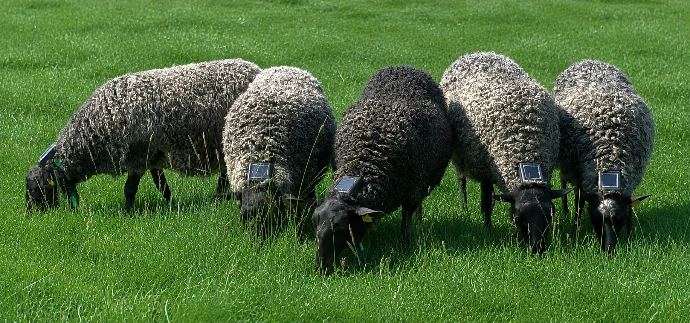
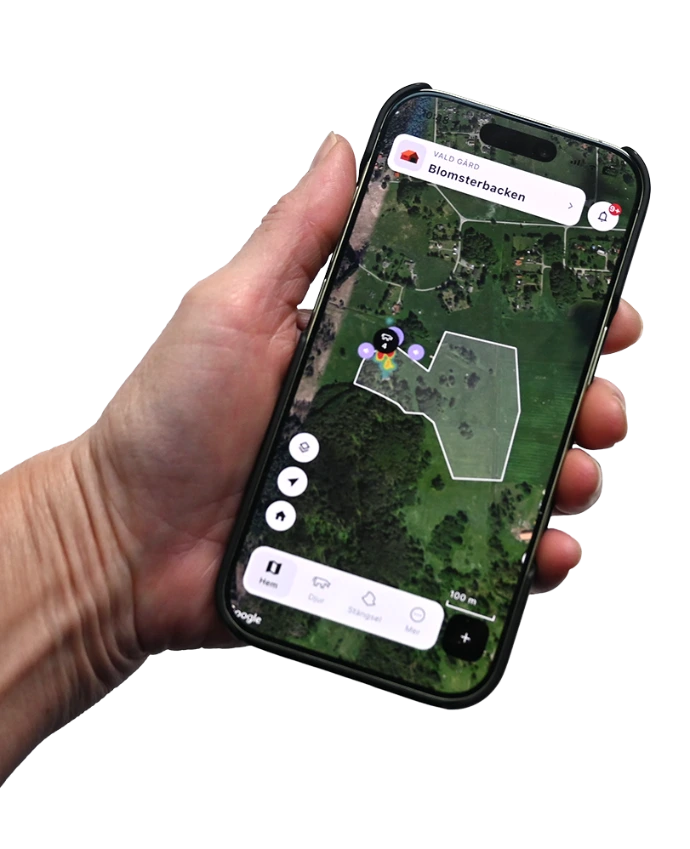
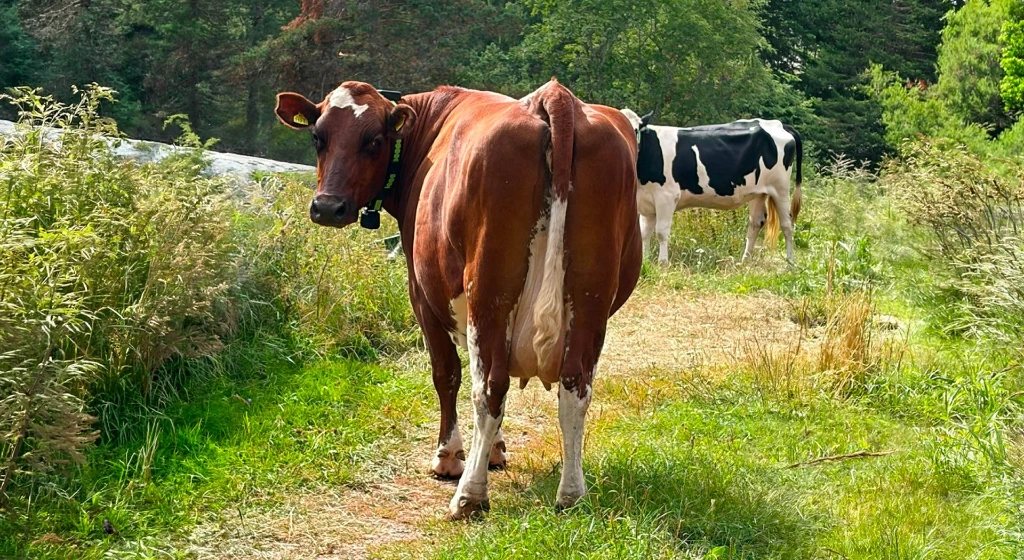
Virtual fencing is a digital technology that enables livestock to be contained without the need for physical fences. Using GPS collars and mobile connectivity, farmers can create and adjust grazing areas directly in our app, providing greater flexibility while reducing costs. The technology is particularly useful in difficult terrain and on semi-natural pastures, where installing traditional fencing is challenging or sometimes impossible. Virtual fencing offers significant flexibility in grazing management, allowing grazing areas to be quickly adapted to changing needs.
How it works
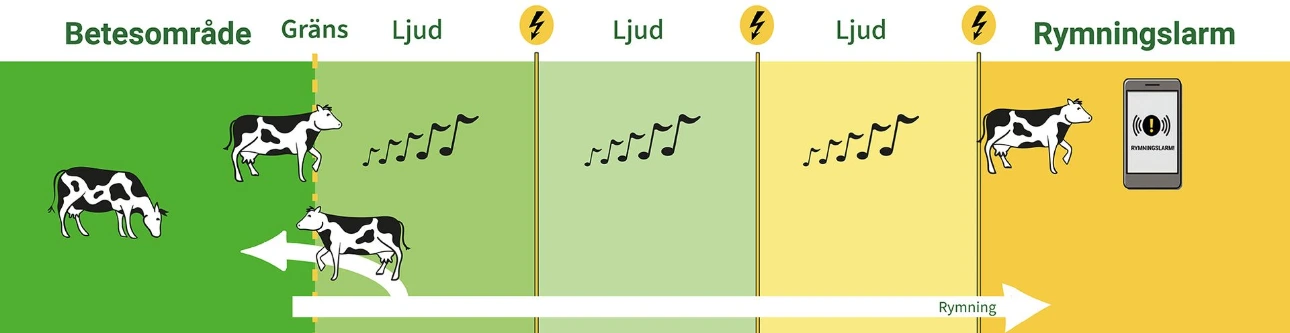
Warning sound first – The animal is always given an audible warning when it reaches the invisible boundary.
Electrical stimulation if the animal continues forward – If the animal does not turn back after the warning sound, the collar delivers a mild electrical stimulation (always following a warning sound).
Built-in limit on electrical stimulations – Once the limit is reached, the sound and stimulation functions are deactivated, and the animal is registered as having escaped in the app.
Remains visible on the map – The system continues to transmit the animal’s location even if it escapes. You’ll receive a notification when your animal has left the virtual boundary.
Automatic reactivation – The sound and stimulation functions are automatically reactivated when the animal re-enters the pasture, whether it is guided back in or returns on its own. Animals can never receive an electrical stimulation when entering a pasture – only when moving out.
Warning sound
Skygraze’s virtual fencing system uses GPS collars worn by each animal to track their location and provide audible warning signals. The virtual boundary is a sound zone rather than a sharp physical line.
If the animal does not turn back before the warning sound ends, it is followed by a mild electrical stimulation. Animals quickly learn to turn around when they hear the warning sound.
How animals respond to the warning sound
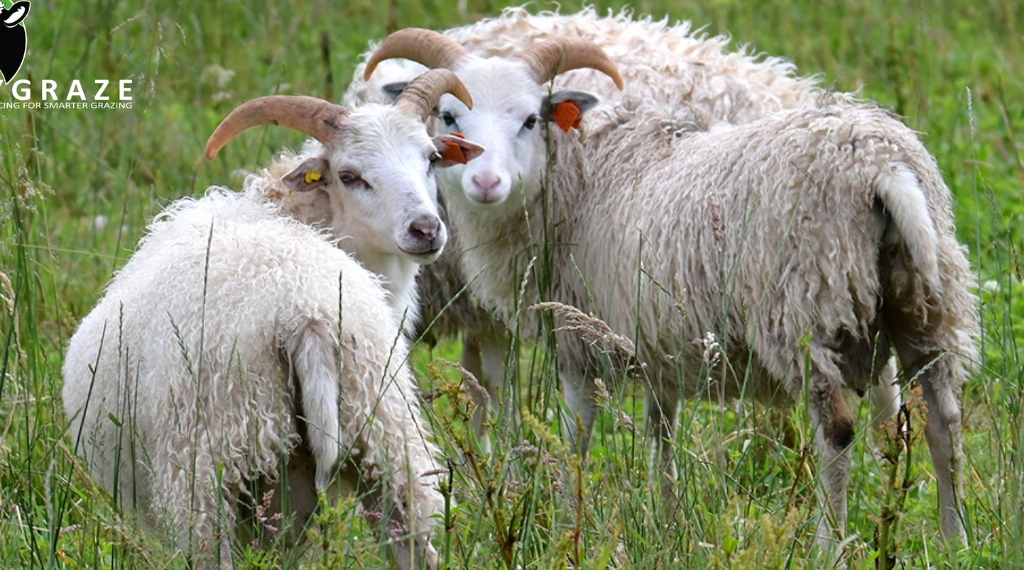
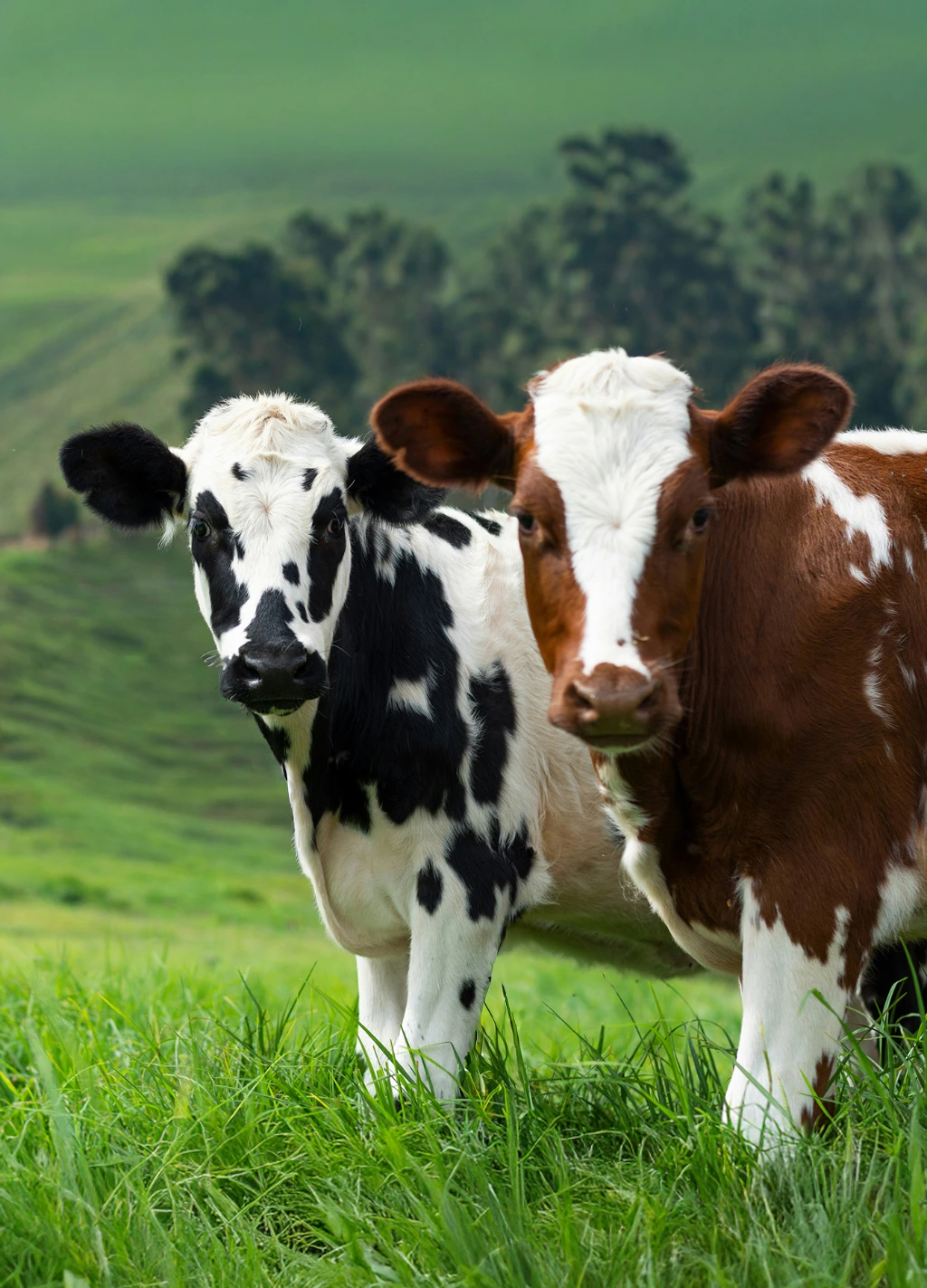
Results from various trials show that, after the training period, both cattle and sheep continue to move along the boundary and receive warning sounds with few or no subsequent electrical stimulations. This indicates that the animals develop a good ability to interpret the signals and understand where the boundary is.
The results also show that animals quickly detect when a boundary is moved and adapt to the new grazing area. This behaviour suggests that the sound does not create fear, but that the animals learn to use the signal as a cue for orientation and to make effective use of the available grazing area.
This rapid adaptation is an important part of making the technology work well across different grazing systems, such as strip grazing, rotational grazing, or situations where boundaries are adjusted based on conservation and land-management needs.
The role of electrical stimulation
We have a built-in limit of three consecutive warning sounds, each followed by an electrical stimulation if the animal continues forward. After that, the sound and stimulation functions are deactivated, and the animal is registered as “escaped” in the app.
When the animal crosses the invisible boundary on its way back into the pasture, the sound and stimulation functions are automatically reactivated. Animals cannot receive warning sounds or electrical stimulation when returning to the pasture.
Animals learn quickly
Research, including work carried out by our own Lotten Wahlund during her time at RISE, together with practical experience, shows that cattle and sheep can learn within just a few days to associate the warning sound with turning around to avoid an electrical stimulation.
The number of electrical stimulations following a warning sound decreases significantly after just a few days, depending on how often the animals interact with the boundary.
Studies on sheep, along with practical experience with cattle, also show that animals learn faster when they are kept together with animals that are already familiar with the system. This is known as social facilitation.